
Platform
The revenue eXtraction gateway (rXg)
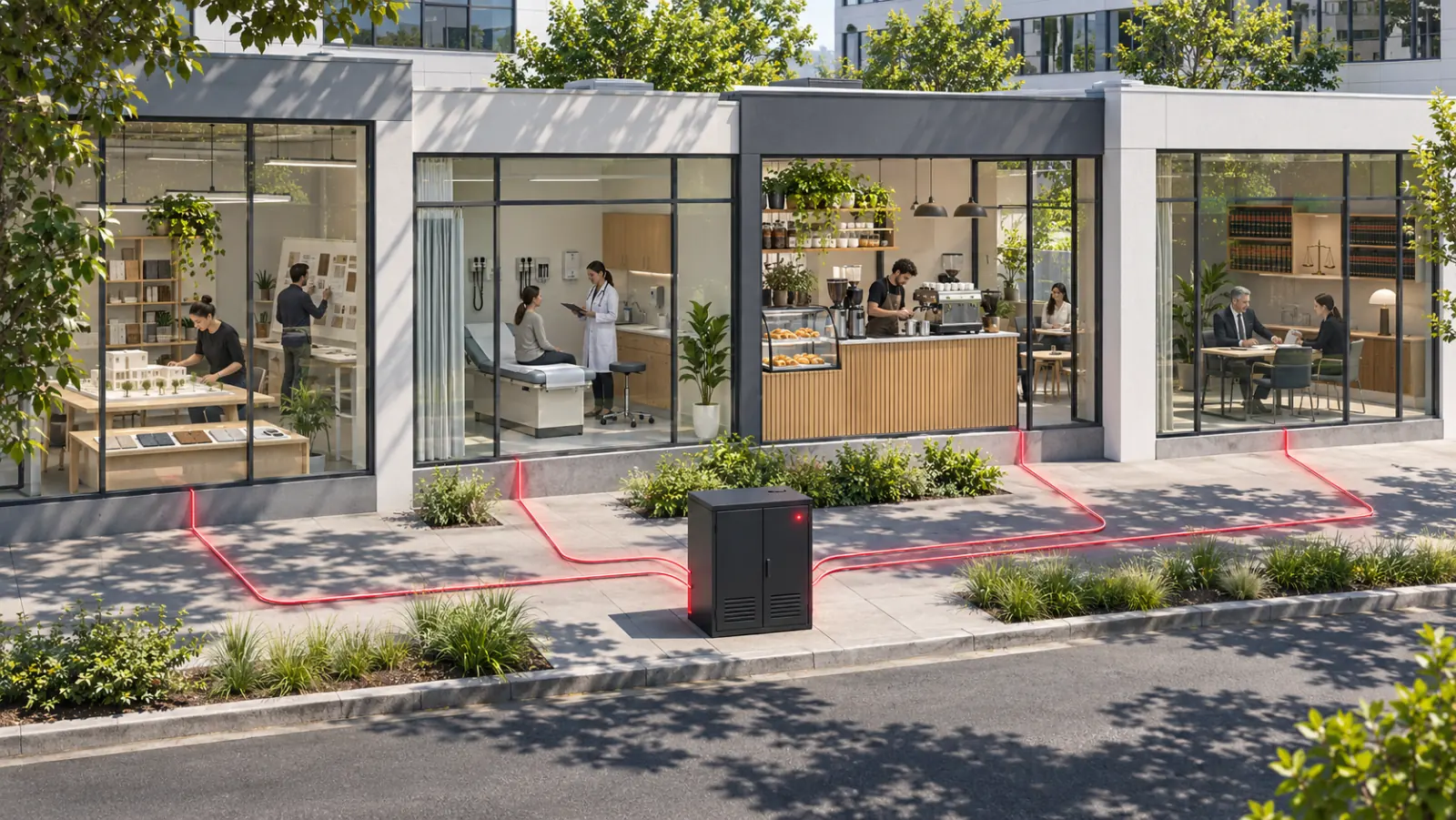
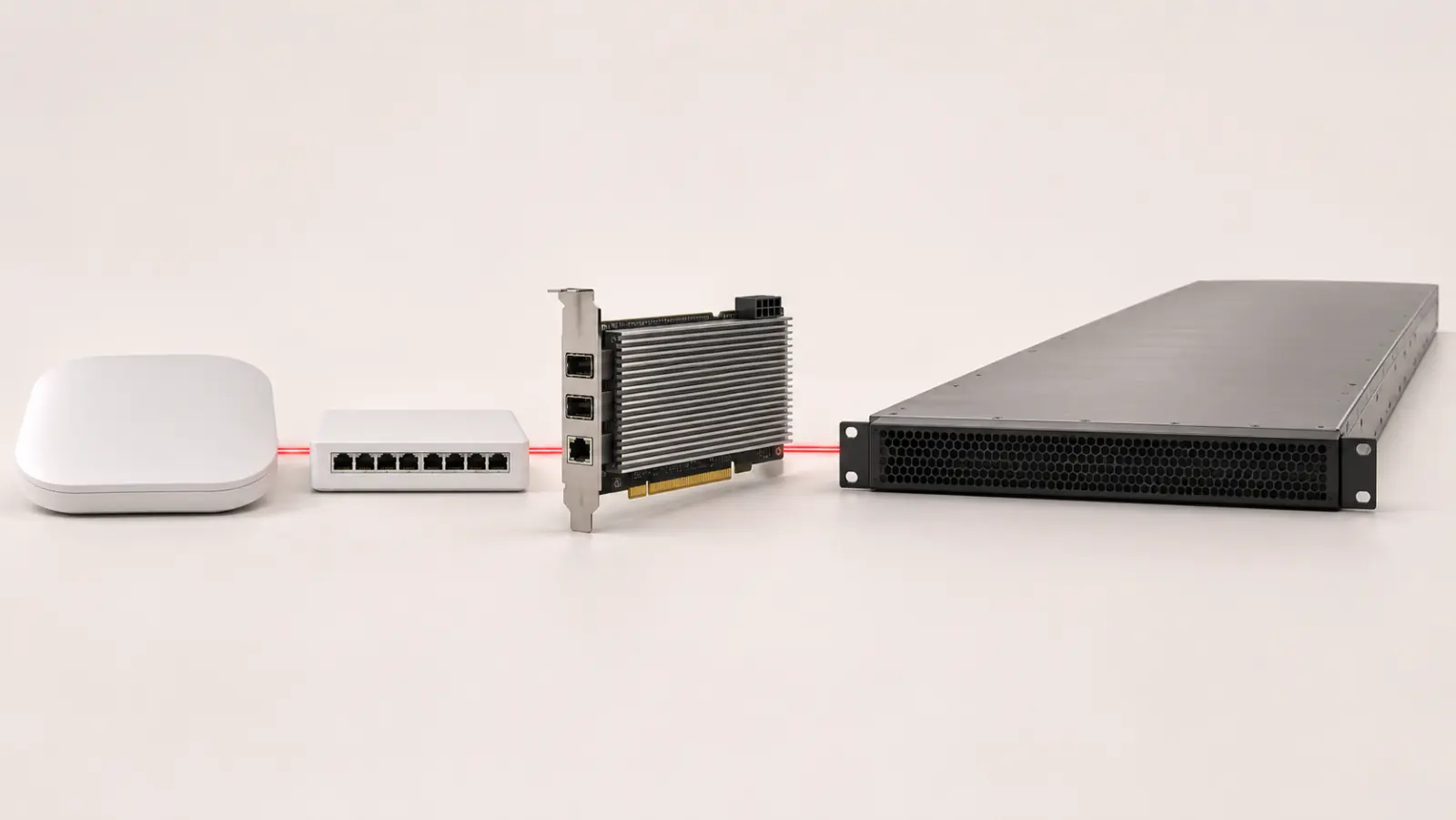
The rXg is the controller for software-defined access networks (SDAN). It directs initiators and DPU concentrators, runs a virtual gateway for every subscriber, and handles policy and billing.
Who runs the service?
Operator-managed
- The service plane runs on the rXg. You choose the hardware.
- You control subscriber policy, records and data.
- Tenants share hardware. Each has its own gateway, policy and public IP.
OEM-managed
- The hardware vendor runs the management plane as a cloud service.
- You license each device and use the vendor’s controls.
- Examples include Meraki, Aruba, Mist and Ruckus.
Automation is how the rXg lowers an operator’s OpEx
Lower operating costs
Automated support, setup and troubleshooting cut labor, downtime and site visits. Subscriber gateways share open hardware.
Reduction in day-2 support tickets
Savings per unit per year in OpEx
Lower cost of ownership than legacy gateways
Higher service revenue
Tenants activate service at move-in and buy bandwidth or device upgrades. Guests buy daily or weekly passes.
Increase in ARPU through automated add-ons
Higher tenant conversion through self-provisioning
More revenue from short-term and guest sales
Routing, security and sign-in
The rXg works alongside your WAN or SD-WAN. It routes with BGP or OSPF, applies carrier-grade NAT, enforces firewall rules and filters content.
It authenticates subscribers with RADIUS or RadSec, provides location-based services and runs captive and self-service portals.